

What Was Tragedy?: Theory and the Early Modern Canon
Product details
| Management number | 231953659 | Release Date | 2026/06/18 | List Price | US$12.69 | Model Number | 231953659 | ||
|---|---|---|---|---|---|---|---|---|---|
| Category | |||||||||
Twentieth century critics have definite ideas about tragedy. They maintain that in a true tragedy, fate must feel the resistance of the tragic hero's moral freedom before finally crushing him, thus generating our ambivalent sense of terrible waste coupled with spiritual consolation. Yet far from being a timeless truth, this account of tragedy only emerged in the wake of the French Revolution.What Was Tragedy? demonstrates that this account of the tragic, which has been hegemonic from the early nineteenth century to the present despite all the twists and turns of critical fashion in the twentieth century, obscured an earlier poetics of tragedy that evolved from 1515 to 1795. By reconstructing that poetics, Blair Hoxby makes sense of plays that are "merely pathetic, not truly tragic," of operas with happy endings, of Christian tragedies, and of other plays that advertised themselves as tragedies to early modern audiences and yet have subsequently been denied the palm of tragedy by critics. In doing so, Hoxby not only illuminates masterpieces by Shakespeare, Calderón, Corneille, Racine, Milton, and Mozart, he also revivifies a vast repertoire of tragic drama and opera that has been relegated to obscurity by critical developments since 1800. He suggests how many of these plays might be reclaimed as living works of theater. And by reconstructing a lost conception of tragedy both ancient and modern, he illuminates the hidden assumptions and peculiar blind-spots of the idealist critical tradition that runs from Schelling, Schlegel, and Hegel, through Wagner, Nietzsche, and Freud, up to modern post-structuralism. Read more
| ASIN | B01A64Y2T4 |
|---|---|
| XRay | Not Enabled |
| Format | Print Replica |
| ISBN13 | 978-0191065996 |
| Edition | Illustrated |
| Language | English |
| File size | 26.8 MB |
| Page Flip | Not Enabled |
| Publisher | OUP Oxford |
| Word Wise | Not Enabled |
| Print length | 336 pages |
| Accessibility | Learn more |
| Publication date | October 1, 2015 |
| Enhanced typesetting | Not Enabled |
Bestseller ranking
20th Century


Customers who viewed this product also viewed
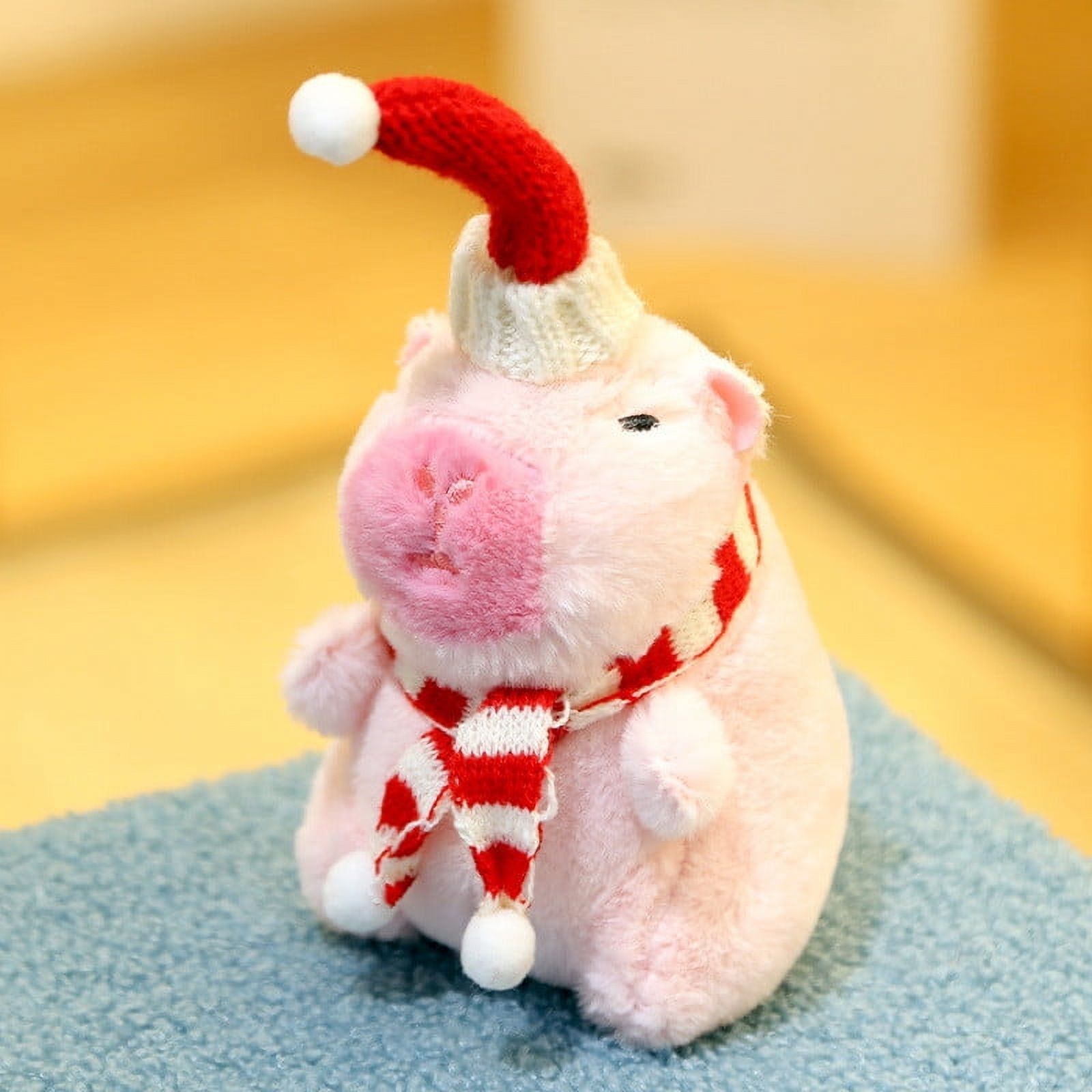
Christmas Stuffed Animals
Correction of product information
If you notice any omissions or errors in the product information on this page, please use the correction request form below.
Correction Request Form